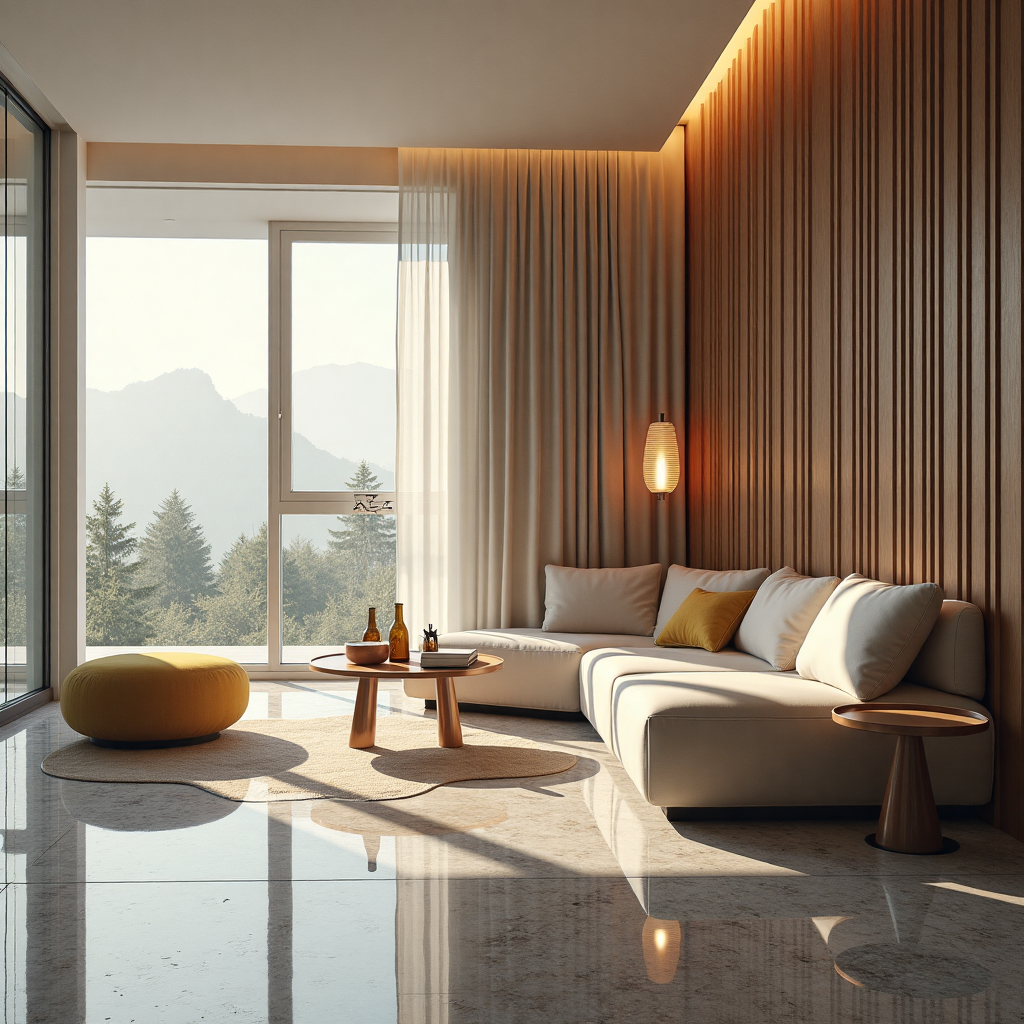
For decades, luxury was a loud, proud declaration. It was a bold logo emblazoned across a handbag, a signature monogram shouting from a polo shirt, or a distinctive pattern visible from across the room. This was the language of aspirational branding, a clear signal of status and wealth meant to be seen and recognized by all. But a profound shift is underway. A new, more sophisticated dialect of affluence has emerged, one spoken in whispers rather than shouts. Welcome to the era of quiet luxury—a philosophy where expense is implied, not announced, and true value lies in the unseen.
Quiet luxury, also known as stealth wealth or silent luxury, is a design and consumption ethos that prioritizes exceptional quality, exquisite craftsmanship, timeless design, and understated elegance over conspicuous branding. It’s the cashmere sweater that feels like a cloud, the impeccably tailored trousers that don’t need a label on the waistband, and the leather bag that ages beautifully over decades without a single flashy hardware logo. This movement isn’t about hiding wealth; it’s about a more confident, personal, and intentional expression of it. It’s a shift from being seen as having taste to simply having taste.
But why now? Why is this whisper replacing the roar of logos across fashion, interiors, automotive design, and lifestyle? The rise of quiet luxury is a multifaceted cultural phenomenon, fueled by economic shifts, digital fatigue, and a growing desire for authenticity and sustainability. It represents a maturation of consumer mindset, moving away from the performative and towards the personal, from the transient trend to the enduring investment.
The Hallmarks of Quiet Luxury: More Than Just Minimalism
At first glance, quiet luxury might be mistaken for simple minimalism. While it often embraces clean lines and neutral palettes, it is fundamentally different. Minimalism can be achieved at any price point; quiet luxury is defined by its uncompromising commitment to the finest materials and the human skill required to shape them. It’s an ethos that speaks through tactile experience and longevity.
1. The Cult of Quality and Craftsmanship
The cornerstone of quiet luxury is an obsessive focus on quality. This means sourcing the world’s best materials: rare, long-staple cottons from specific regions; ultra-fine merino wools and cashmere; buttery, full-grain leathers tanned using age-old methods. Beyond the materials, it celebrates craftsmanship—the hours of hand-stitching, the precision of a master tailor’s cut, the artisanal techniques passed down through generations. The value is in the object’s integrity, not in the marketing attached to it.
2. Timelessness Over Trends
Quiet luxury is inherently anti-fast-fashion. It rejects the frantic cycle of seasonal trends in favor of enduring style. Pieces are designed to be wardrobe staples, worn for years—even decades—without ever looking dated. A perfectly cut camel coat, a simple silk shell, a pair of well-proportioned trousers: these are the building blocks. The investment is in versatility and permanence, reducing clutter and promoting a more sustainable, considered approach to consumption.
3. The Power of Understatement
This is where the “quiet” truly manifests. Overt branding is eliminated or minimized to the point of invisibility. Logos are etched discreetly on the inside, embossed subtly into leather, or omitted entirely. The design speaks for itself through its proportions, drape, and finish. The statement is made to those who know—an insider’s knowledge of a particular maker’s silhouette or a fabric’s unique hand-feel becomes the new status symbol, replacing the universally recognized logo.
Why Logos Are Losing Their Lustre: The Cultural Shift
The decline of the loud logo isn’t an accident; it’s a direct response to the changing cultural and social landscape. Several key factors have converged to make understatement the ultimate power move.
- Economic Uncertainty: In times of economic volatility, flaunting wealth can feel tone-deaf or risky. Quiet luxury offers a way to enjoy the finest things with discretion, aligning with a more pragmatic and less ostentatious mindset.
- Digital Saturation and “Old Money” Aesthetics: Social media, particularly platforms like TikTok, have popularized the “old money” or “stealth wealth” aesthetic. Shows like Succession have glamorized characters whose wealth is woven into the very fabric of their being, not plastered on their chest. This digital exposure has educated a mass audience on the codes of inconspicuous consumption.
- The Desire for Authenticity: Modern consumers, especially younger generations, increasingly value authenticity and personal expression over blind brand loyalty. Wearing a logo feels like renting someone else’s identity. Choosing a beautifully made, unbranded piece feels like an authentic expression of one’s own discernment and values.
- The Fatigue of Fashion as Performance: The pressure to constantly display new, logo-heavy purchases for social media is exhausting. Quiet luxury offers a respite—a wardrobe of impeccable, interchangeable pieces that work for life, not just for the ‘gram. It’s luxury for living, not just for showing.
- The Sustainability Angle: By its nature, quiet luxury aligns with sustainable values. Investing in fewer, better-made items that last for years is the antithesis of throwaway culture. The focus on natural materials and artisanal production often carries a lower environmental footprint than mass-produced, logo-emblazoned goods.
Quiet Luxury in Action: Beyond the Wardrobe
While fashion is its most visible arena, the quiet luxury ethos permeates all aspects of living. It’s visible in the rise of boutique hotels that feel like private homes, emphasizing personalized service and local art over grand marble lobbies. In automotive design, it’s the understated elegance of certain models that prioritize sublime driving experience and exquisite interior materials over flashy exterior badges. In interiors, it’s the use of custom joinery, natural stone, and organic textures to create serene, clutter-free spaces that feel deeply personal and calming, rather than decorated for show.
Brands like The Row, Brunello Cucinelli, Loro Piana, and Bottega Veneta (under Daniel Lee’s tenure) have become the torchbearers of this movement in fashion. But the trend has also pushed heritage luxury houses to create more discreet lines and has fueled the growth of direct-to-consumer brands that champion quality and design over marketing budgets.
The Lasting Whisper: A Conclusion on the New Status
The rise of quiet luxury marks a significant evolution in our relationship with material goods. It signifies a move from external validation to internal satisfaction. The thrill is no longer in the recognition from others, but in the private knowledge of what one owns: the story of its making, the perfection of its fit, the assurance of its longevity. It’s a more intelligent, self-assured, and ultimately more sustainable form of consumption.
In a world increasingly filled with noise—digital, visual, and social—quiet luxury offers a sanctuary of calm and intention. It replaces the fleeting satisfaction of a logo-driven purchase with the enduring joy of a true object of desire. This isn’t a passing trend but a lasting shift in mindset. The future of luxury isn’t about shouting the loudest; it’s about speaking with the most substance. It whispers, “I don’t need to tell you. I know.” And in that quiet confidence lies its undeniable power.
Leave a Reply