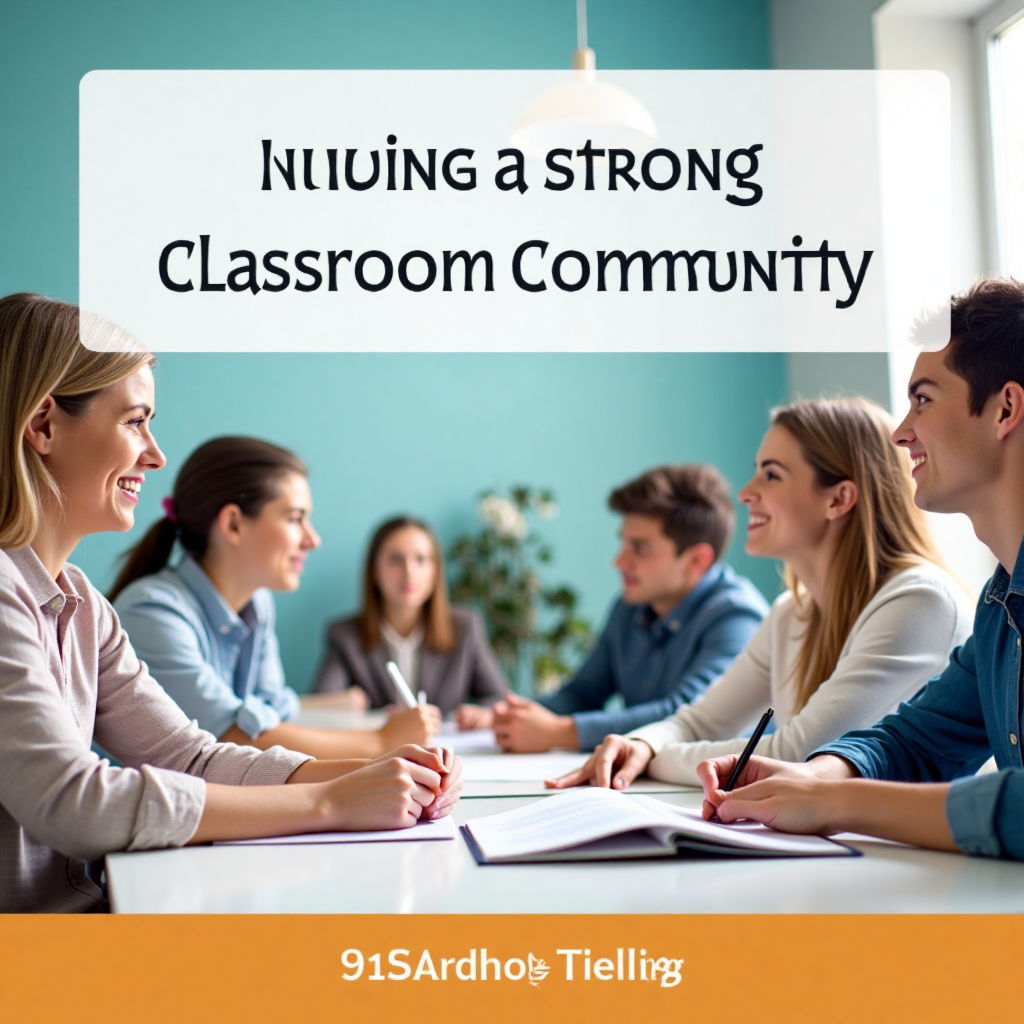
Building a classroom community is one of the most important aspects of effective teaching. A strong classroom community not only enhances student engagement and learning outcomes but also creates a safe and inclusive environment where everyone feels valued and respected. As educators, we play a crucial role in shaping this community, and the strategies we employ can have a lasting impact on our students’ academic and social development. In this article, we will explore the importance of building classroom community, discuss practical strategies to achieve this, and provide insights into how a connected learning environment can benefit both students and teachers.
Understanding the Importance of Classroom Community
A classroom community is more than just a group of students sitting in desks; it is a collective where individuals come together to learn, grow, and support one another. When students feel connected to their peers and teachers, they are more likely to participate actively in class, take risks in their learning, and feel motivated to succeed. Research has shown that a positive classroom community can lead to improved academic performance, better social skills, and higher levels of student satisfaction.
Moreover, a strong classroom community helps students develop a sense of belonging, which is essential for their emotional well-being. When students feel that they are part of a supportive group, they are less likely to experience anxiety or isolation. This sense of belonging also extends to teachers, who often report higher job satisfaction when they feel connected to their students and colleagues.
So, how do we build this kind of community? It starts with creating a shared vision and establishing clear expectations. But it also requires intentional actions and ongoing efforts to nurture relationships, encourage collaboration, and foster inclusivity. Let’s dive into some practical strategies that can help educators build a thriving classroom community.
Strategies for Building a Connected Classroom Community
1. Establish a Positive Classroom Environment
The foundation of any strong classroom community is a positive environment. This begins with setting clear expectations for behavior and respect. When students understand the rules and feel safe to express themselves, they are more likely to engage with their peers and teachers. Consider creating a class contract where students and teachers collaboratively decide on norms and expectations. This not only promotes ownership but also ensures that everyone is on the same page.
In addition to setting expectations, it’s important to create a physically and emotionally safe space. This can be achieved by arranging the classroom in a way that encourages interaction, such as having group seating or collaborative workspaces. Decorate the room with student work and positive affirmations to create a welcoming atmosphere. Emotionally, ensure that students feel heard and respected by actively listening to their concerns and fostering open communication.
- Set clear and consistent rules for behavior and respect.
- Create a class contract involving all students and teachers.
- Arrange the classroom to encourage interaction and collaboration.
- Display student work and positive affirmations to foster a sense of pride and belonging.
- Encourage open communication and active listening.
2. Encourage Collaboration and Teamwork
Collaboration is a key component of building classroom community. When students work together, they learn to value each other’s perspectives, develop problem-solving skills, and build trust. Group projects, pair work, and collaborative activities can all contribute to this sense of teamwork. For example, assigning group projects where each member has a specific role can help students learn to rely on one another and appreciate their unique contributions.
Another effective strategy is to use cooperative learning techniques, such as think-pair-share or jigsaw activities. These methods encourage students to discuss ideas, share knowledge, and work together towards a common goal. By fostering a culture of collaboration, teachers can help students see themselves as part of a larger team, rather than isolated individuals competing for grades.
- Assign group projects with defined roles for each student.
- Use cooperative learning techniques like think-pair-share or jigsaw activities.
- Incorporate team-building exercises at the start of the school year.
- Promote peer tutoring and study groups.
Leave a Reply