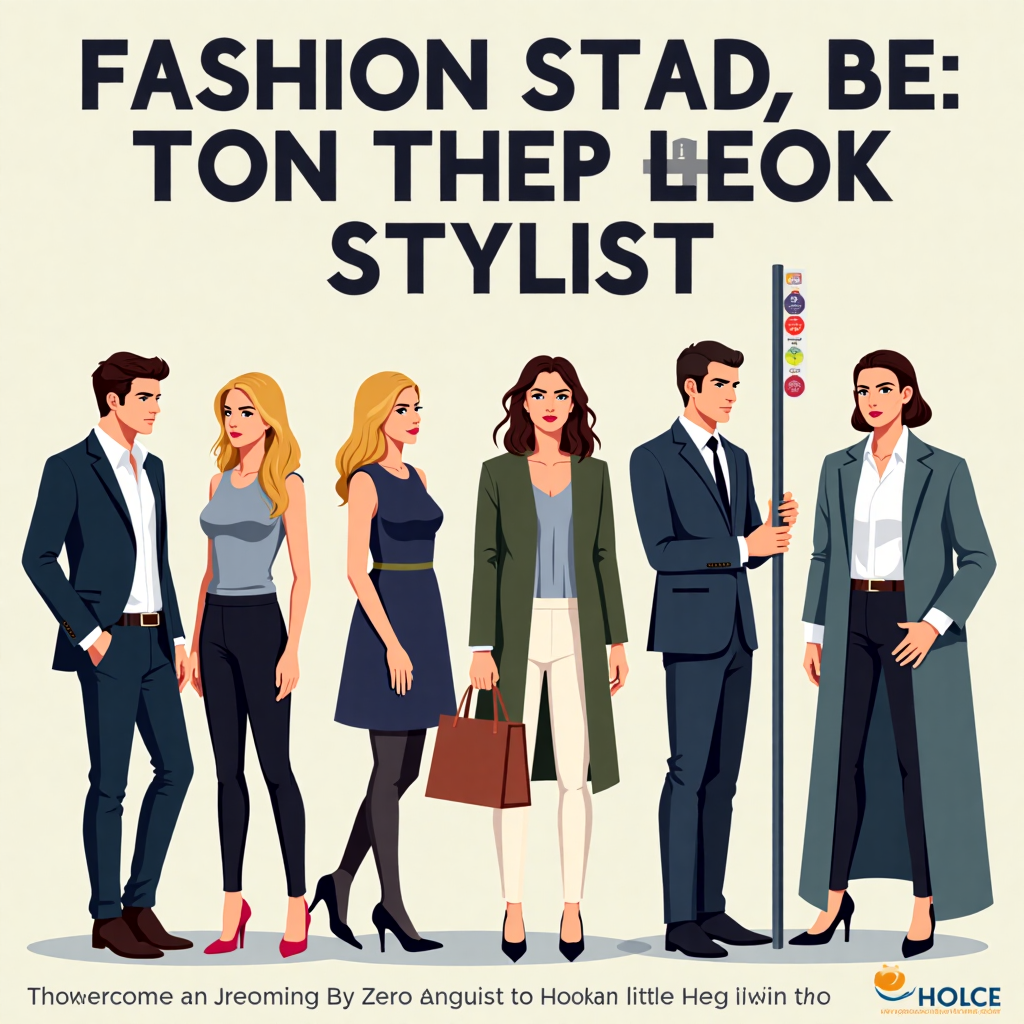
The world of fashion styling glitters with the allure of creativity, runway shows, and celebrity clients. But breaking into this competitive industry without formal training or a stacked resume can feel impossible. Fear not! Your passion for fashion and a strategic approach can absolutely pave your path. Becoming a fashion stylist with no prior experience demands dedication, resourcefulness, and a willingness to learn relentlessly. This guide will equip you with actionable steps to transform your sartorial passion into a legitimate career.
Demystifying the Role: What Does a Fashion Stylist Actually Do?
Before diving in, it’s crucial to understand the multifaceted nature of fashion styling. It’s far more than just picking out pretty clothes. A stylist is a visual storyteller and problem-solver. They interpret a client’s needs, a brand’s identity, or a creative director’s vision and translate it into cohesive, impactful outfits. Responsibilities vary widely but often include:
- Client Consultation: Understanding body types, personal style preferences, lifestyle needs, budget, and the specific purpose of styling (e.g., event, photoshoot, wardrobe overhaul).
- Research & Concept Development: Staying abreast of trends, historical fashion references, and developing mood boards or concept pitches.
- Sourcing & Pulling: Finding specific garments, accessories, and props. This involves building relationships with showrooms, brands, PR agencies, and rental services.
- Fitting & Alterations: Ensuring garments fit impeccably, which may involve coordinating with tailors or seamstresses.
- On-Set Styling: Dressing models or clients, managing looks during shoots, troubleshooting wardrobe malfunctions, and collaborating with photographers, makeup artists, and hair stylists.
- Wardrobe Management: Organizing, cataloging, and maintaining clients’ wardrobes or styling kits.
Stylists specialize in various niches: personal styling (helping individuals look their best), editorial styling (creating looks for magazines, online publications), commercial styling (for advertising campaigns), celebrity styling, costume design for film/TV, or e-commerce styling. Identifying your preferred niche early helps focus your learning and networking efforts.
Laying the Foundation: Knowledge is Your First Investment
Without experience, knowledge becomes your most valuable asset. Immerse yourself in the world of fashion:
Become a Voracious Consumer of Fashion Media
Go beyond scrolling Instagram. Study the details in editorials of major publications (Vogue, Harper’s Bazaar, i-D, Dazed). Analyze why certain pieces are paired, how silhouettes interact, and the overall mood conveyed. Watch runway shows, paying attention to styling choices beyond the garments themselves. Explore fashion history books to understand context and evolution. Follow industry news on platforms like Business of Fashion to grasp the business side.
Develop Your Critical Eye and Personal Taste
Start actively observing people and their style choices. What works? What doesn’t? Why? Begin building your own point of view. While versatility is key, having a distinct aesthetic perspective can set you apart. Create inspiration boards (using Pinterest or physical collages) around specific themes, colors, or eras to practice visual storytelling.
Master the Fundamentals
- Body Shapes & Proportions: Understand different body types and the principles of dressing them flatteringly.
- Fabrics & Textures: Learn how different materials drape, move, and interact. Know which fabrics work best for which occasions or effects.
- Color Theory: Understand how colors work together and impact mood and perception.
- Fit & Tailoring: Recognize what perfect fit looks like and the transformative power of alterations.
Numerous free and paid resources exist online (YouTube tutorials, blogs, online courses on platforms like Skillshare or MasterClass) and in libraries to build this knowledge base.
Gaining Practical Experience: Creating Your Own Opportunities
This is where the “no experience” hurdle is overcome through initiative and hustle. You need tangible proof of your skills.
Start Styling for Free (Strategically)
Offer your services to friends, family, and acquaintances. Be clear about your goals: you’re building a portfolio and gaining experience. Target people whose style you admire or who fit a look you want to capture. Document everything!
Collaborate with Aspiring Creatives
Reach out to photography students, amateur models, makeup artists, and hair stylists also looking to build their portfolios. Propose test shoots with specific concepts. This collaborative environment is invaluable for learning on-set dynamics and building a network.
Build Your Portfolio from Scratch
Your portfolio is your visual resume. Focus on quality over quantity initially.
- Photography is Key: Even if you use a smartphone, ensure photos are well-lit, in focus, and showcase the outfits clearly. Collaborating with a photographer yields the best results.
- Curate Carefully: Select only your strongest work that demonstrates range (different styles, genders if applicable) and skill (fitting, accessorizing, storytelling).
- Show Process: Include mood boards or concept notes alongside final images to demonstrate your thinking.
- Go Digital: Create a simple, clean website (using platforms like Squarespace or Wix) or a well-organized Instagram account dedicated solely to your styling work.
Seek Out Entry-Level Roles in the Fashion Ecosystem
While not directly styling, these roles provide insider access and knowledge:
- Retail (Luxury or Boutique): Develop client interaction skills, product knowledge, and an understanding of sales and trends.
- Showroom Assistant: Learn about brands, how collections are presented, and assist stylists who come in to pull pieces.
- PR Agency Intern/Assistant: Gain insight into brand marketing, sample trafficking, and media relationships. You’ll likely interact with stylists pulling for shoots.
- Fashion Magazine Intern: Experience the editorial process firsthand, potentially assisting the fashion department.
Be proactive, express your interest in styling, and soak up everything.
Building Your Network: Your Most Valuable Asset
In fashion, who you know is often as important as what you know. Networking is continuous.
Engage Authentically Online
Follow stylists, photographers, makeup artists, and industry insiders. Engage meaningfully with their content – comment thoughtfully, share relevant work. Avoid generic praise. Use LinkedIn professionally.
Attend Industry Events (Strategically)
Look for local fashion events, gallery openings, or industry talks. Be prepared with a concise introduction about yourself and your goals. Focus on building genuine connections rather than collecting contacts.
Leverage Your Existing Projects
Every test shoot or collaboration introduces you to new people. Maintain positive relationships. A photographer you worked with once might recommend you for a paid gig later.
Find a Mentor
Identify stylists whose work you admire (not necessarily the biggest names). Reach out respectfully, expressing specific admiration for a project and asking for brief advice or an informational interview. Offer to assist them for free or at a low rate to learn. Mentorship is invaluable.
Breaking In and Building Your Career
Transitioning from free work to paid gigs requires persistence and professionalism.
Develop Your Business Acumen
Styling is often freelance. Learn about invoicing, contracts, rates (research industry standards for assistants and junior stylists), budgeting for pulls, and managing expenses. Protect yourself legally and financially.
Start Small and Scale Up
Your first paid jobs might be assisting established stylists or small local projects (e.g., styling a lookbook for a startup brand, a local musician’s press shoot). Treat every job, big or small, with utmost professionalism – be punctual, prepared, and positive.
Specialize and Refine Your Brand
As you gain experience, lean into what you do best. Do you excel at minimalist elegance, bold editorial concepts, or sustainable fashion? Refining your niche makes you more memorable and marketable.
Never Stop Learning and Adapting
Fashion is dynamic. Continuously research trends, new brands, and styling techniques. Seek feedback and be open to critique. The best stylists are lifelong students.
Conclusion: Your Style Journey Begins Now
Becoming a fashion stylist with no experience is a marathon, not a sprint. It requires unwavering passion, relentless self-education, the courage to create your own opportunities, and the persistence to build relationships. There will be setbacks and rejections – view them as learning experiences. Focus on honing your craft, building a standout portfolio, and nurturing genuine connections within the industry. Remember, every iconic stylist started somewhere. Your unique perspective and dedication are your greatest strengths. Start styling friends, collaborate on shoots, absorb knowledge voraciously, and put yourself out there. Your dream career in fashion styling is absolutely within reach – begin building it today, one stylish step at a time.
Leave a Reply